What Plants Thrive in Bitterroot Valley Gardens Around Hamilton, Montana?
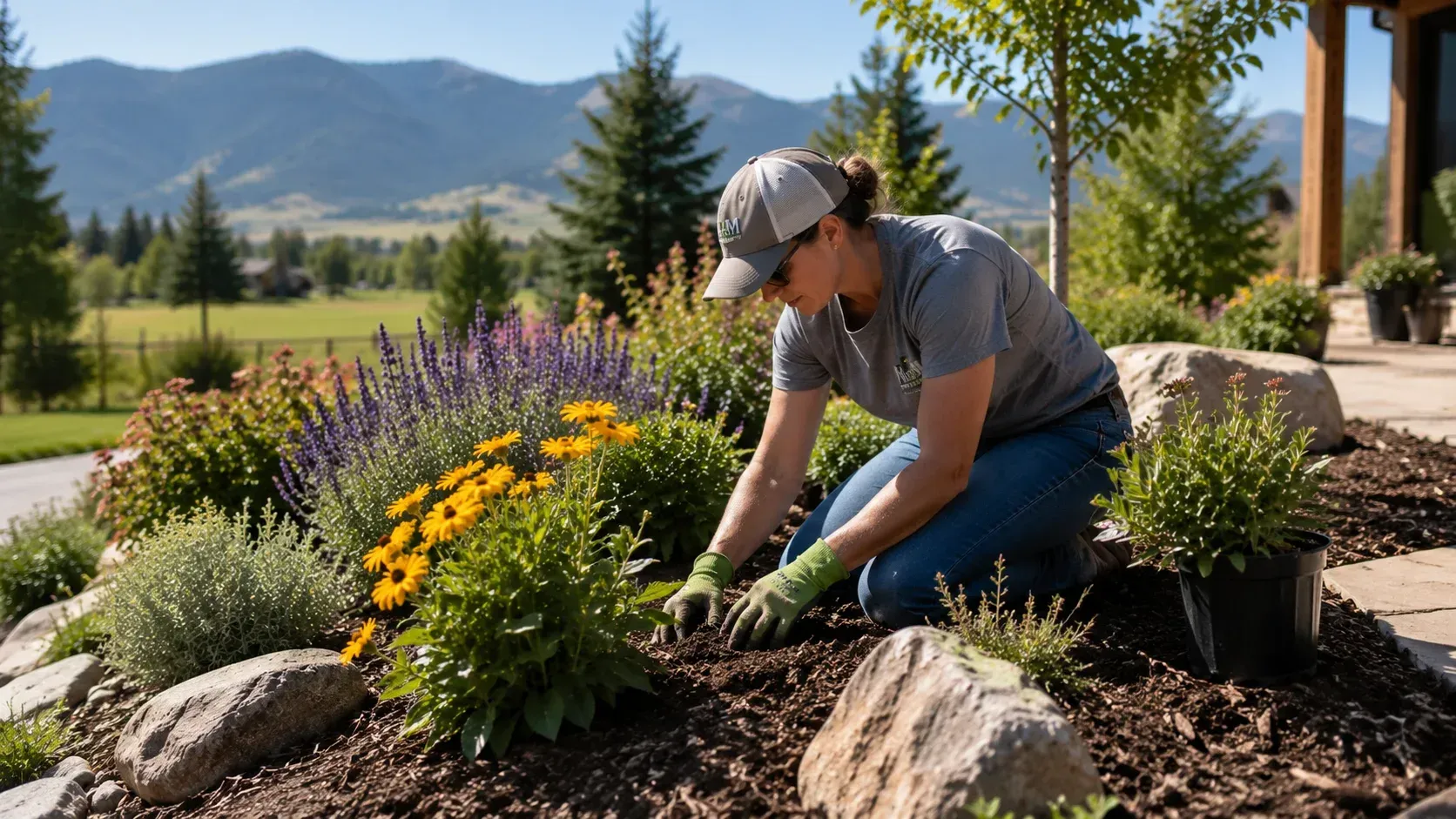
Table of Contents
- Understanding the Bitterroot Valley Growing Climate
- Native Plants That Do Well in Hamilton, MT Gardens
- Drought-Tolerant Options for Dry Summers
- Flowering Perennials for Montana Gardens
- Shrubs and Trees Suited to Local Conditions
- Soil Considerations Before You Plant
- Tips for Reducing Long-Term Maintenance
- Common Mistakes Homeowners Make
- Frequently Asked Questions
Key Takeaways
- Native and drought-tolerant plants generally handle the Bitterroot Valley's dry summers and cold winters better than non-native species.
- Soil type and sun exposure matter as much as plant selection when choosing what to grow.
- Perennials, shrubs, and trees native to Montana tend to need less water and upkeep once established.
- Microclimates within a single yard can affect which plants perform well, so observation matters.
- Planning ahead with soil testing and proper spacing reduces long-term maintenance work.
Introduction
Plants that thrive in gardens around Hamilton, Montana are typically those adapted to cold winters, dry summers, and the region's mineral-heavy soil, including native wildflowers, drought-tolerant perennials, and hardy shrubs like serviceberry or potentilla. This matters to homeowners because choosing the wrong plants often means more watering, more replacing, and more frustration over a growing season that's shorter than many people expect.
The Bitterroot Valley sits in a unique spot climatically. It's dry enough that some plants struggle without regular watering, but cold enough in winter that tender perennials common in warmer states simply won't survive. Understanding what actually works here, rather than guessing based on generic gardening advice, saves time and money.
This guide walks through the plant categories that tend to hold up in this specific region, along with the soil and climate factors that influence success. It's written for people planning a new garden bed, replacing struggling plants, or just trying to understand why some things grow easily here and others don't.
Understanding the Bitterroot Valley Growing Climate
Hamilton and the surrounding Bitterroot Valley fall into USDA hardiness zones 4 and 5, depending on elevation and exposure. That means winter lows can dip well below zero, and the growing season is relatively short compared to lower-elevation regions.
Summers tend to be dry with low humidity, though afternoon thunderstorms can bring quick bursts of rain. This combination of cold winters and dry summers is the biggest factor in what plants actually survive here long term.
Elevation changes across the valley also create small variations. A garden closer to the foothills may experience different frost timing than one lower in the valley, which is worth noting before planting anything.
Native Plants That Do Well in Hamilton, MT Gardens
Native plants have adapted to this exact climate over long periods of time, which is why they often require less intervention than imported species. Arrowleaf balsamroot, lupine, and blanketflower are examples of native wildflowers that appear naturally throughout the region.
These plants are accustomed to the valley's soil composition and rainfall patterns. They typically don't need amended soil or frequent watering once they're established in a bed.
Homeowners working with a professional on landscape design often start by identifying which native species already grow well nearby, since that's a strong indicator of what will succeed in a similar yard.
Why Native Species Are Worth Considering
Beyond lower maintenance, native plants support local pollinators and wildlife that have co-evolved with them. This isn't a guarantee of specific results, but it's a factor many gardeners in the area weigh when planning beds.
Drought-Tolerant Options for Dry Summers
Given the valley's dry summer stretches, drought-tolerant plants are worth prioritizing for anyone who doesn't want to run irrigation constantly. Russian sage, yarrow, and sedum are commonly used because they tolerate extended dry periods without significant decline.
These plants generally have deep root systems or waxy leaves that reduce water loss. That said, "drought-tolerant" doesn't mean "no water ever." Even hardy plants need consistent moisture during their first growing season to establish roots.
Flowering Perennials for Montana Gardens
Perennials that return year after year tend to be a practical choice for homeowners who want color without replanting annually. Black-eyed Susan, coneflower, and Shasta daisy are examples that typically handle Montana's climate reasonably well.
These plants flower through much of the summer and generally tolerate the valley's soil without heavy amendment. Bloom times vary, so mixing a few varieties can extend color across the season rather than concentrating it in a short window.
Spacing and Sun Requirements
Most flowering perennials suited to this region prefer full sun, at least six hours a day. Planting them too close together can lead to competition for water and nutrients, which sometimes shows up as weaker blooms the following year.
Shrubs and Trees Suited to Local Conditions
Shrubs like serviceberry, potentilla, and lilac are frequently used in the Bitterroot Valley because they tolerate cold winters and don't require constant pruning or care. Serviceberry in particular offers spring flowers, summer berries, and fall color, which gives it some seasonal variety.
For trees, ponderosa pine, quaking aspen, and Rocky Mountain maple are common choices that align with the region's climate. Each has different water and space needs, so it's worth considering mature size before planting near a house or driveway.
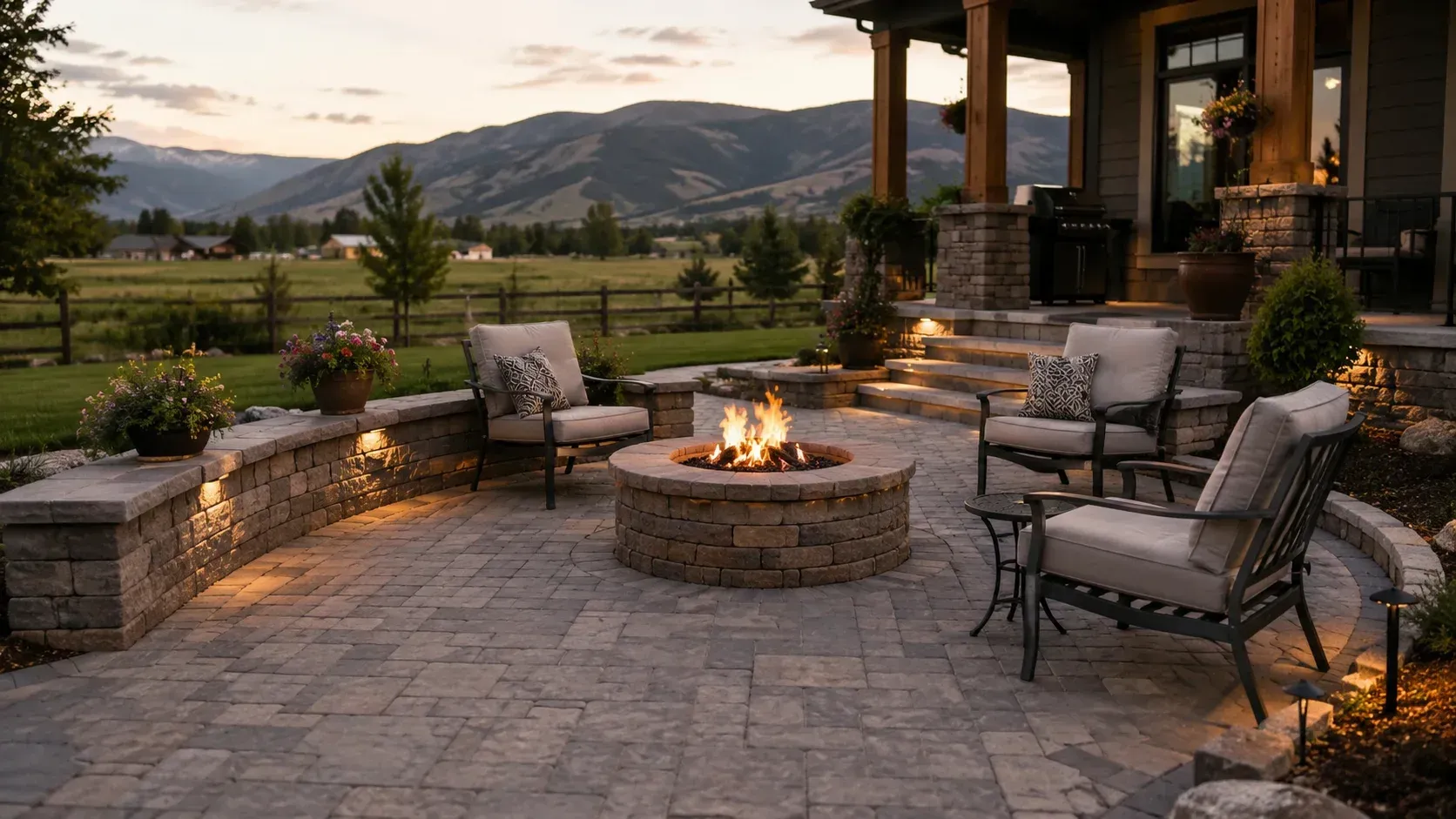
Homeowners planning a broader outdoor project sometimes pair tree and shrub placement with
hardscaping elements like patios or retaining walls, since root systems and structural features both need adequate space to avoid future conflicts.
Soil Considerations Before You Plant
Soil across the Bitterroot Valley varies, but much of it tends to be rocky or sandy with lower organic content than garden soil in wetter climates. This affects how well plants retain moisture and nutrients.
A simple soil test, available through local extension offices, can clarify pH and composition before committing to a plant list. This step is often skipped, but it can prevent a lot of trial and error later.
Amending soil with compost or organic matter can help many plants establish better roots, though some native and drought-tolerant species actually prefer leaner soil and may not need amendment at all.
Tips for Reducing Long-Term Maintenance
Grouping plants with similar water needs together, a practice sometimes called hydrozoning, reduces the risk of overwatering drought-tolerant plants or underwatering thirstier ones. This is a practical strategy regardless of which specific plants are chosen.
Mulching around planting beds helps retain moisture and moderate soil temperature, which is particularly useful during the valley's hotter, drier stretches in July and August.
Anyone considering a full yard renovation may benefit from working through a structured landscape design process, since planning plant placement alongside irrigation and sun exposure tends to reduce problems down the road.
Common Mistakes Homeowners Make
One frequent issue is planting species suited to warmer zones without accounting for the region's winter lows. A plant that survives in a zone 6 or 7 climate may not make it through a Bitterroot Valley winter.
Another common mistake is overwatering drought-tolerant plants out of habit, which can actually cause root rot in species that are adapted to drier soil.
Finally, some homeowners underestimate mature plant size, leading to overcrowded beds within a few years. Checking projected height and width before planting helps avoid this. Homeowners in the Hamilton area can also look into local Hamilton landscaping options for guidance specific to their property.
Conclusion
Plants that thrive in Bitterroot Valley gardens tend to share a few traits: cold hardiness, tolerance for dry summers, and compatibility with the region's soil conditions. Native species, drought-tolerant perennials, and locally adapted shrubs and trees generally require less ongoing intervention than plants chosen without considering the local climate.
Understanding soil composition, sun exposure, and realistic water needs before planting can prevent a lot of the trial and error that often comes with gardening in a new location. There's no single "correct" plant list, since every yard has its own microclimate and conditions, but the categories outlined here offer a reasonable starting point for homeowners making informed choices.
Summary
If you're planning a new garden bed or reconsidering what's already growing in your yard, having a clear picture of your specific soil, sun exposure, and water access can make the decision-making process easier. A short discovery conversation with a local landscaping professional can help clarify what's realistic for your property, with no pressure and no promises attached, just practical guidance so you can make an informed decision about your outdoor space.
Frequently Asked Questions
Do native plants really need less water than other species?
Generally, yes, since native plants have adapted to the region's typical rainfall patterns. However, most plants still need regular watering during their first year while roots establish.
What is the hardiness zone for Hamilton, Montana?
Hamilton and the surrounding Bitterroot Valley are typically classified as USDA zones 4 to 5, though elevation and exposure can shift this slightly within the same property.
Can I mix native and non-native plants in the same garden bed?
Yes, many gardeners combine both, though it helps to group plants with similar water and soil needs together to avoid overwatering or underwatering certain species.
How do I know if my soil needs amending?
A soil test through a local extension office can identify pH and nutrient levels. Some plants suited to this region actually prefer leaner, unamended soil.
Are drought-tolerant plants completely maintenance-free?
No. Drought-tolerant simply means a plant can handle extended dry periods once established. Most still require occasional watering and basic care, especially early on.
When is the best time to plant in the Bitterroot Valley?
Spring and early fall are commonly used planting windows here, since they avoid the most extreme summer heat and winter cold, though timing can vary by plant type.
Should I consult a professional before planting a large garden bed?
It can help, particularly for larger projects involving trees, shrubs, or irrigation planning, since a professional can factor in your property's specific soil and sun conditions.
Recent Posts