Is a Paver Patio Worth the Investment in Corvallis, Montana?
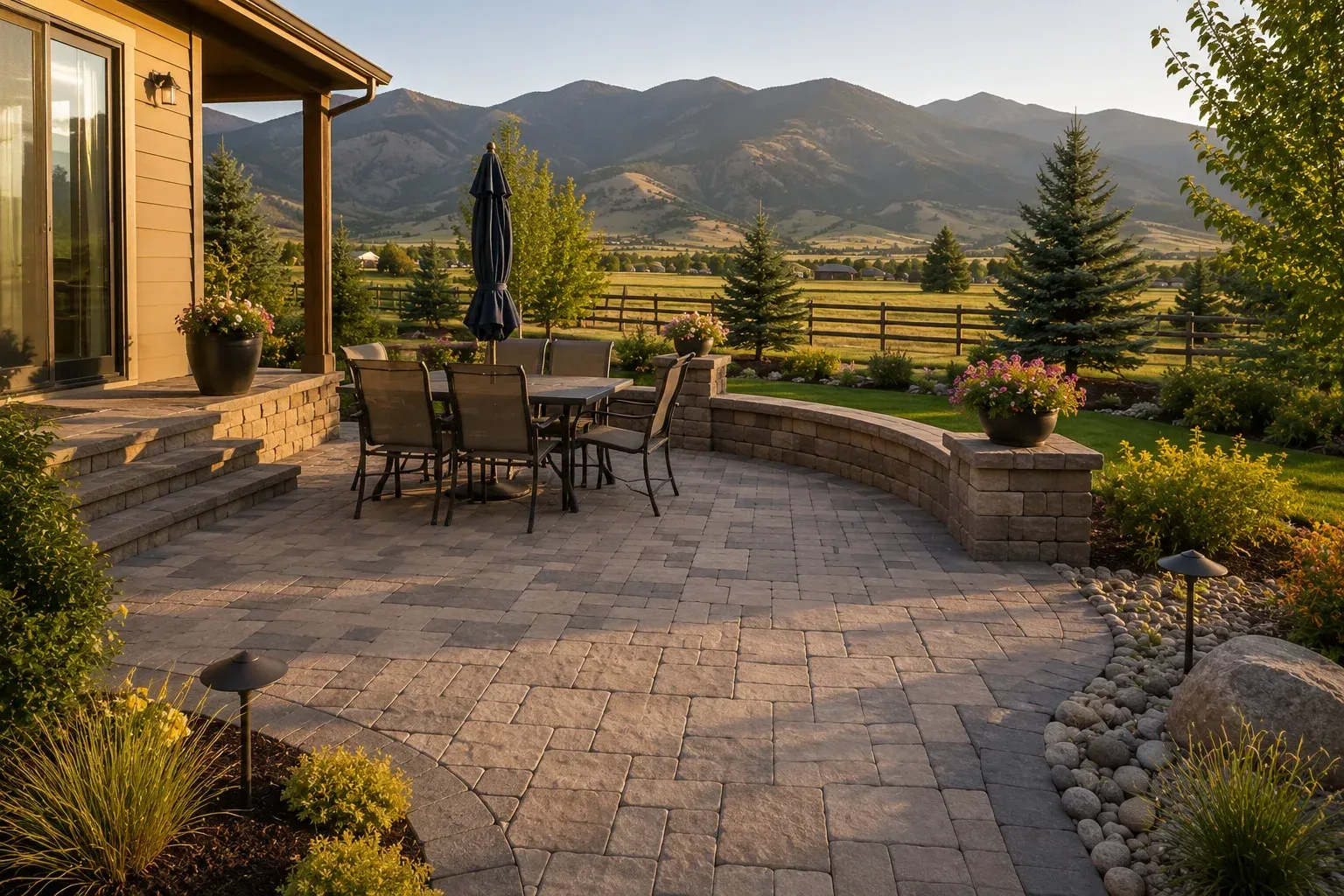
Table of Contents
1. What a Paver Patio Actually Is
2. How Corvallis Weather Affects Patios
3. How Long Paver Patios Tend to Last
4. What Upkeep Really Looks Like
5. Planning for the Cost
6. The Real Value for Homeowners
7. Problems Worth Knowing About
8. Other Options to Weigh
9. Conclusion
10. Frequently Asked Questions
Key Takeaways
• A paver patio can be worth the investment for Corvallis homeowners who want a lasting outdoor space and are prepared for moderate upkeep.
• Montana's freeze and thaw cycles make proper base work and drainage the most important part of any installation.
• With reasonable care, paver patios often hold up for 25 years or more, and single damaged pavers can be swapped out.
• Costs vary a lot based on material, size, and design, so getting a few local quotes helps you plan realistically.
• The biggest payoff usually comes from years of actual use, not just resale numbers.
Introduction
For most Corvallis homeowners, a paver patio is worth the investment when it is installed correctly and you are ready to handle a bit of routine upkeep. The honest answer, though, depends on how you plan to use the space, your budget, and whether the contractor understands how Montana's seasons treat outdoor surfaces.
A patio is not a small decision. It changes how you use your yard, how much weekend maintenance you take on, and where a good chunk of your outdoor budget goes. This guide walks through the practical side of owning a paver patio in the Bitterroot Valley so you can decide what fits your home.
What a Paver Patio Actually Is
A paver patio is built from separate units, usually concrete, clay, or natural stone, laid over a compacted base of gravel and sand. The gaps between each paver get filled with sand that locks everything together.
That separated design is the key difference from a poured slab. Because each paver can shift a little on its own, the whole surface can move slightly without cracking. In a place like Corvallis, where the ground swells and shrinks with the temperature, that flexibility matters.
The layout pattern you pick, like herringbone or running bond, changes both the look and how well the surface handles weight. A good installer will talk through which pattern suits your space.
How Corvallis Weather Affects Patios
Corvallis sits in the Bitterroot Valley, where winters drop well below freezing and summers climb into the 80s and higher. That swing is the single biggest thing to plan around.
When water gets into the soil or the base under your patio, it expands as it freezes and shrinks as it thaws. Repeat that dozens of times each year and the pressure can push pavers up or let them settle unevenly. This is what people mean by frost heave.
Snowmelt only adds more water to deal with. That is why proper slope and drainage are not extras here, they are the whole ballgame. A patio that sheds water away from itself and your foundation will simply last longer.
How Long Paver Patios Tend to Last
A well-built paver patio in the Corvallis area commonly holds up for 25 to 30 years before it needs real attention. Natural stone often runs on the longer side, while concrete pavers sit closer to the lower end.
What actually decides lifespan is usually not the pavers themselves but the base beneath them. Solid compaction, the right gravel depth, and good drainage carry a patio through decades of Montana winters. Skip those steps and you may see settling within a few years.
One nice thing is that a cracked paver does not mean a torn-up patio. You can pull one unit and drop in a replacement, which is tough to do with poured concrete.
What Upkeep Really Looks Like
Paver patios are not maintenance free, but the work is manageable for most homeowners. A few habits keep them in good shape.
Sealing is the main task. Many patios do well with a fresh seal every two to three years, which helps block water, slows weeds, and keeps the color from fading. It is a weekend job for an average-sized patio.
Weeds between the joints are the other recurring chore. Polymeric sand cuts down on them, but a few will still sneak through, so expect some hand pulling now and then. For snow, use a plastic or rubber-edged shovel, and lean on sand for traction instead of salt, since de-icers can wear on pavers over time.
If you want a broader sense of how patios fit into a full yard plan, it can help to look at the range of hardscaping services offered locally.
Planning for the Cost
Paver patios are a real expense, and prices swing based on material, design, and size. In the Corvallis area, installed costs often land somewhere between $8 and $20 per square foot.
So a modest 12-by-14 foot patio might run from around $1,300 to over $3,000. Larger footprints, premium stone, curved edges, and custom patterns all push that higher.
Base preparation makes up a meaningful part of the bill, and it is the last place to cut corners. Weak base work is where most early problems start. Talking with a team that handles
landscape design can help you match a realistic budget to what your yard actually needs.
The Real Value for Homeowners
A well-installed patio adds genuine usefulness to a property. It creates a spot for meals, gatherings, or just sitting outside, and it tends to make a yard feel more finished.
On resale, most patios return part of their cost rather than all of it, often somewhere in the range of half to three-quarters. That is normal for outdoor projects, and it is worth keeping expectations grounded.
The stronger case for value is simpler. The more you use the space, the more it earns its keep. If your family enjoys being outside, a patio pays off in daily life long before anyone talks about selling.
Problems Worth Knowing About
Frost heave stays the top concern in this climate. Even good installs can shift slightly over many winters, though that usually shows up as minor unevenness at a joint, not a broken surface.
Drainage is the next thing to watch. If water pools on the patio or drifts toward your foundation, the slope is off, and that speeds up wear.
Salt-based de-icers are the quiet culprit many people miss. They can break down pavers and base material over time, so sand is the safer choice for winter footing.
Other Options to Weigh
Poured concrete costs less up front, often $6 to $12 per square foot, and needs little early upkeep. The catch is that cracks are permanent and tend to grow with freeze and thaw.
Permeable pavers let water drain straight through the surface, which eases some drainage headaches, though they cost more. Natural stone like flagstone brings a distinct look and strong durability, but it asks for skilled installation.
If you are still weighing choices, comparing options with local Corvallis landscaping professionals can help you match a surface to your property and how you live.
Conclusion
For Corvallis homeowners, a paver patio can be a sound investment when it is installed with proper base work and drainage, and when you are comfortable with light, regular upkeep. It is a durable, good-looking surface that often lasts a couple of decades or more.
Whether it is right for you comes down to three questions. How much will you actually use the space, are you fine with tasks like sealing and weeding, and does your contractor understand Montana's freeze and thaw challenges.
Try not to judge the decision on resale alone. The real reward is the years of use you get from the space. Take time to gather a few quotes and ask directly about how each installer handles frost heave and drainage in the Bitterroot Valley.
Thinking About a Patio for Your Home?
If you are exploring whether a paver patio fits your Corvallis property, a straightforward conversation with a local team can help you sort through materials, costs, and climate factors without any pressure. The goal is simply to give you clear information for your own decision.
You can learn more about the company and its approach on the
about us page whenever you are ready to ask questions.
Frequently Asked Questions
How long does a paver patio last in Montana?
With proper installation and routine care, most paver patios in Montana last around 25 to 30 years. Base quality and drainage matter more than the pavers themselves. Sealing every few years and keeping water from pooling both help extend its life.
Will a paver patio crack or heave in the winter?
Some minor shifting is possible over many freeze and thaw cycles, but major cracking is uncommon when the base and drainage are done right. Because pavers move independently, they handle ground movement better than a solid slab. Good slope away from the patio reduces the risk further.
How much does a paver patio cost in Corvallis?
Installed costs commonly range from about $8 to $20 per square foot, depending on the material, size, and design. A small patio might start near $1,300, while larger or premium projects cost more. Getting a few local quotes gives you the clearest picture.
How much maintenance does a paver patio need?
Upkeep is moderate. Plan on sealing every two to three years, pulling occasional weeds from the joints, and sweeping or rinsing as needed. In winter, use a plastic-edged shovel and sand rather than salt.
Can a single damaged paver be replaced?
Yes. One of the practical benefits of a paver patio is that you can lift out a cracked or stained unit and replace it without disturbing the rest. That is much harder to do with poured concrete.
Are pavers or poured concrete better for Montana?
Both work, but they behave differently. Pavers flex with the ground and are easier to repair, while concrete costs less at first but can crack permanently in freeze and thaw. Many homeowners in this climate lean toward pavers for that reason.
Does a paver patio add value to a home?
A patio can improve curb appeal and add usable outdoor space, which many buyers appreciate. Most projects recover part of their cost at resale rather than all of it. The bigger benefit is usually the daily use you get from the space.
Recent Posts