What Are the Best Low-Maintenance Landscaping Plants for the Bitterroot Valley?
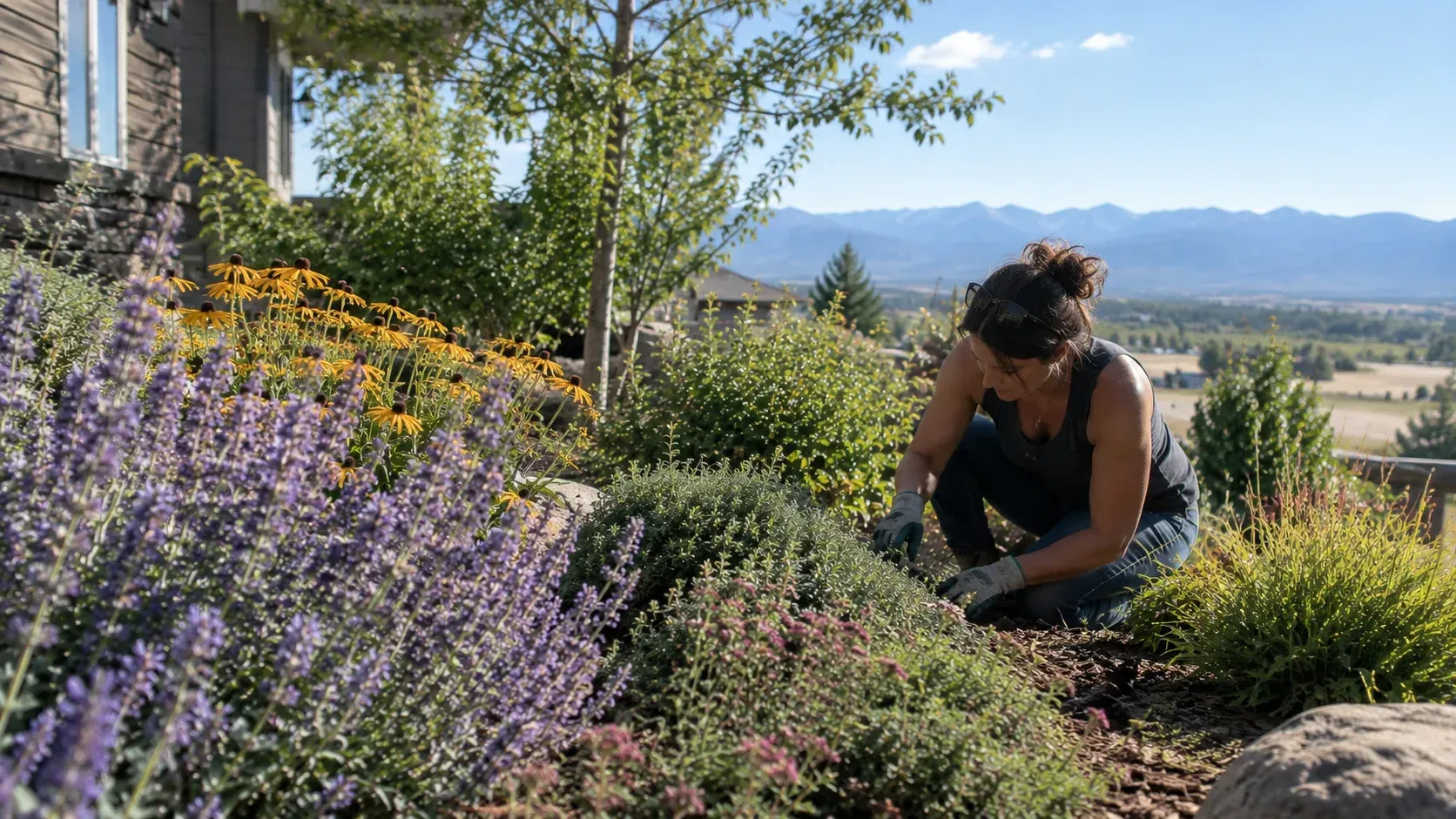
Table of Contents
- Introduction
- What "Low-Maintenance" Really Means Here
- Why the Bitterroot Valley Is a Unique Growing Area
- The Best Low-Maintenance Plant Categories
- A Simple Framework for Choosing Plants
- How to Set Low-Maintenance Plants Up for Success
- Common Misunderstandings
- What Typical Online Advice Overlooks
- Conclusion
- Frequently Asked Questions
Key Takeaways
- The best low-maintenance landscaping plants for the Bitterroot Valley are hardy, drought-tolerant species suited to the region's cold winters and dry summers, especially natives.
- Native and adapted plants generally need less water, fewer inputs, and less replacement than non-adapted ornamentals.
- "Low-maintenance" does not mean "no maintenance," particularly during the first couple of seasons while plants establish.
- Grouping plants by water needs and matching them to your site's sun and soil reduces ongoing work significantly.
- Checking your hardiness zone and preparing the soil well are two of the most effective ways to lower long-term upkeep.
Introduction
The best low-maintenance landscaping plants for the Bitterroot Valley are hardy, drought-tolerant species adapted to the region's cold winters and dry summers, with native plants usually at the top of the list. These plants need less watering, feeding, and replacing than ornamentals that are not suited to the local climate, which is what makes them low-maintenance. If you are planning a planting project around Hamilton, choosing the right species is a core part of good landscaping services, since plant selection shapes how much ongoing work your yard will need.
This matters because a yard filled with the wrong plants becomes a constant chore, demanding extra water, frequent replacement, and continual attention. Selecting plants matched to the Bitterroot Valley's conditions reduces that workload from the start and gives you a landscape that stays healthy with less effort.
What "Low-Maintenance" Really Means Here
Direct answer: Low-maintenance plants are species that thrive in local conditions with minimal watering, feeding, pruning, and replacement once established. They are not maintenance-free, but they ask far less of you over time.
The key word is "established." Almost every plant needs attention in its first season or two while roots develop. After that, a well-chosen plant should largely take care of itself in the conditions it is suited to.
The role of climate fit
A plant is low-maintenance mainly because it matches its environment. A species adapted to cold winters and dry summers does not need constant intervention to survive them. The same plant placed in the wrong climate would need ongoing help, which is the opposite of low-maintenance.
Maintenance is relative, not absolute
No landscape is truly hands-off. Low-maintenance means less frequent and less demanding care, not none. Setting that expectation upfront helps you plan realistically and stay satisfied with the result.
Why the Bitterroot Valley Is a Unique Growing Area
The Bitterroot Valley has growing conditions that reward thoughtful plant choices and punish careless ones. Understanding the setting explains why certain plants thrive here while others struggle.
Cold winters and a shorter season
Winters in the valley bring sustained cold, and the growing season is shorter than in milder regions. Plants need to tolerate low winter temperatures to survive year after year. This is where hardiness zone matters, and checking your zone through a resource like the USDA Plant Hardiness Zone Map is a sensible first step before buying anything.
Dry summers and water considerations
Summers tend to be dry, and water can be a real consideration for homeowners. Drought-tolerant plants that handle dry spells without constant irrigation are naturally lower-maintenance in this climate. This is a major reason native and adapted species perform so well.
Variable soils
Soil can vary across the valley, from sandy and fast-draining to heavier clay. Knowing your soil type helps you choose plants suited to it and prepare beds appropriately, which reduces problems later.
The Best Low-Maintenance Plant Categories
Rather than a rigid list, it helps to think in categories of plants that tend to perform well with little upkeep in this region. Within each, local nurseries can point you to specific varieties suited to your site.
Native and adapted perennials
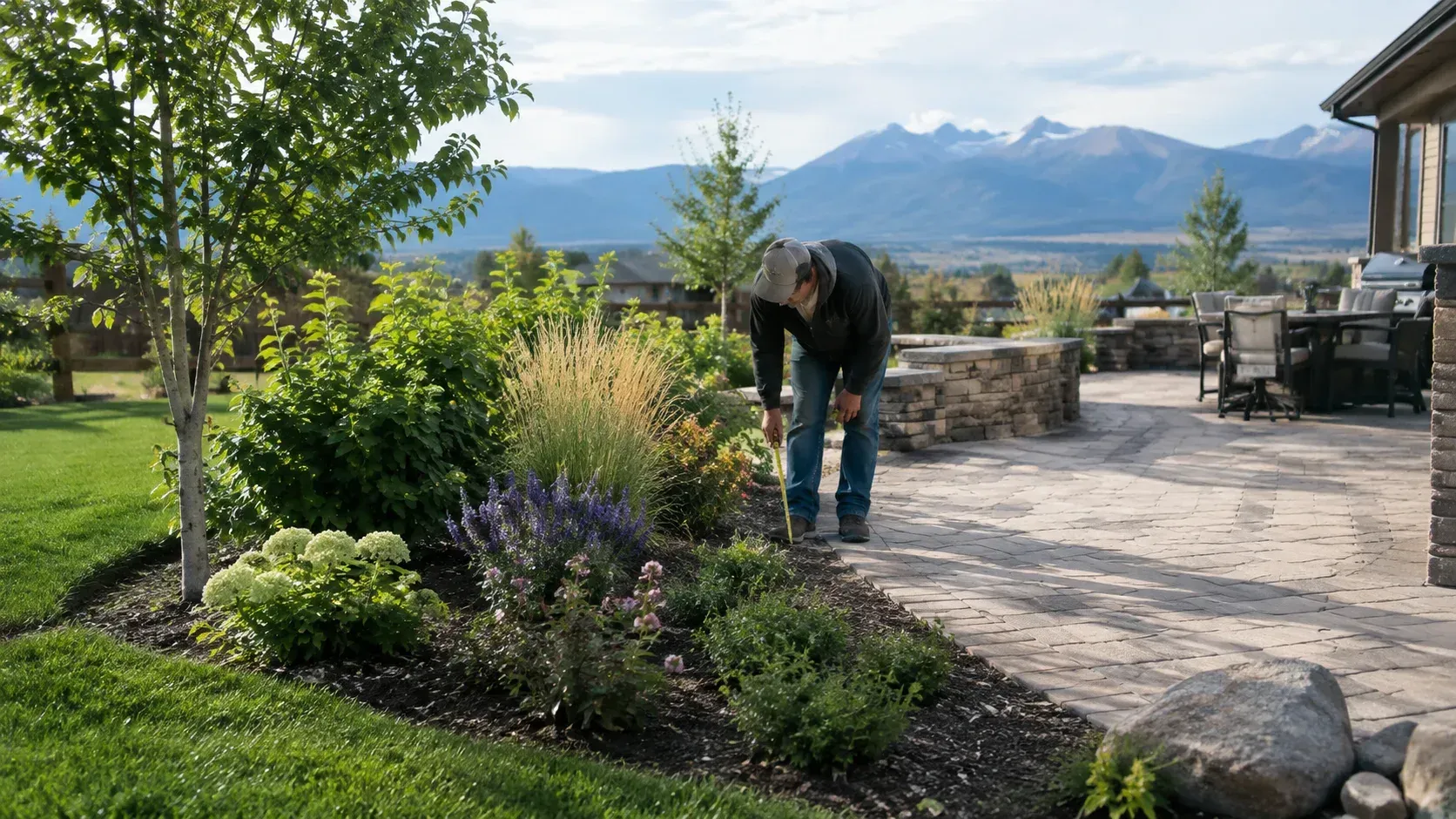
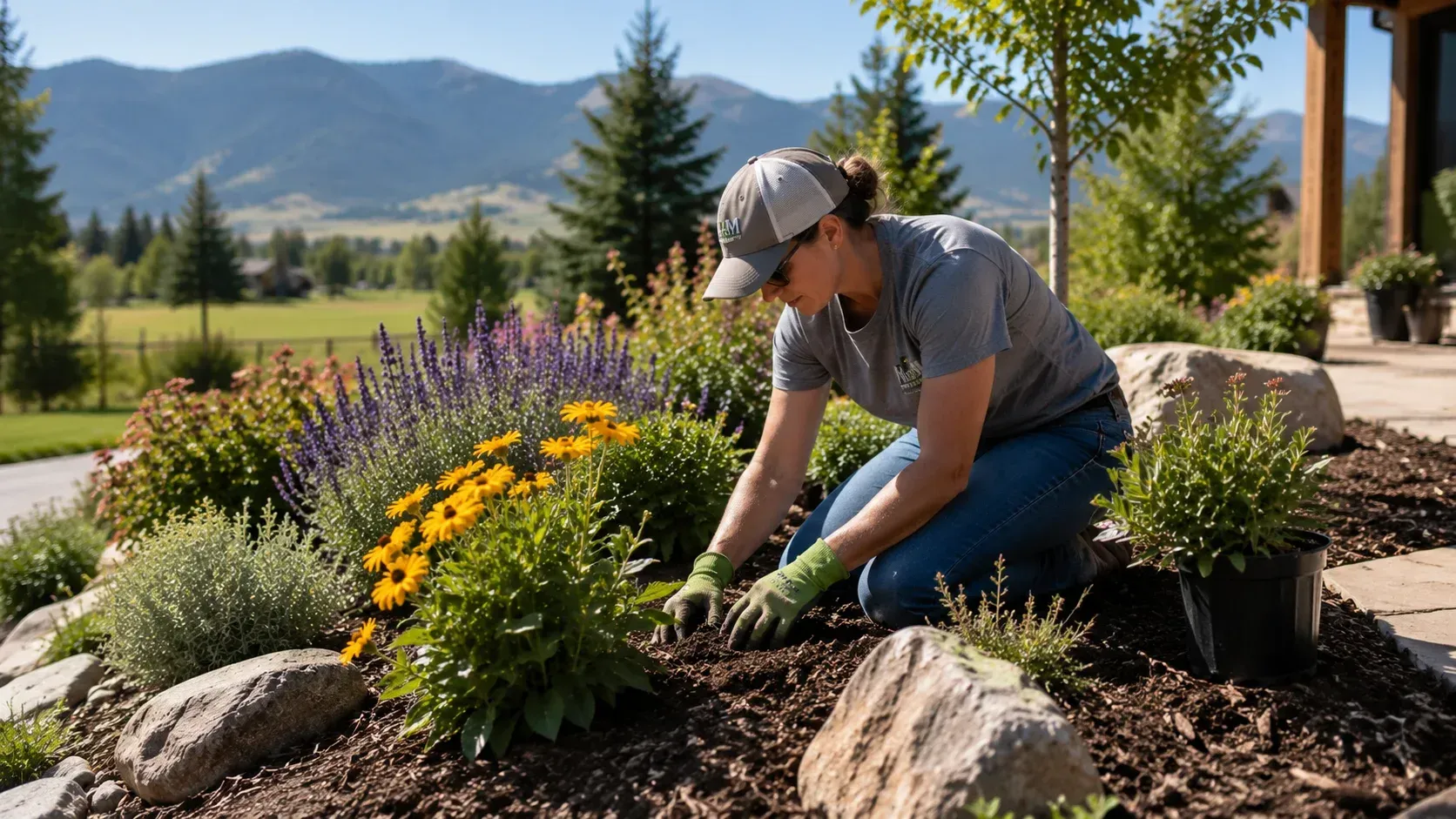
Native perennials are among the most reliable low-maintenance choices because they evolved with the local climate. Many return year after year, tolerate dry conditions, and support pollinators. Drought-tolerant flowering perennials add color without demanding frequent watering once established.
Ornamental grasses
Ornamental grasses are popular for low-maintenance landscaping because many are hardy, drought-tolerant, and need little more than an annual cutback. They add texture and movement and hold up well through the seasons. Their deep roots also help them handle dry summers.
Hardy shrubs
Shrubs provide structure and can reduce the amount of open ground that needs tending. Hardy, drought-tolerant shrubs suited to cold climates can anchor a planting with minimal pruning. Some also offer seasonal interest through flowers, berries, or fall color.
Ground covers
Low-growing ground covers fill space, suppress weeds, and reduce bare soil that would otherwise need mulching or weeding. Choosing a ground cover adapted to local conditions means it spreads and persists without much help, cutting down on routine work.
Trees for the long term
While not a quick fix, well-chosen hardy trees are low-maintenance over their long lives and add significant value to a property. Selecting species suited to the valley's winters is essential so they establish and thrive rather than struggle.
A Simple Framework for Choosing Plants
Picking low-maintenance plants is less about memorizing a list and more about matching plants to your specific conditions. This framework walks through the key factors.
| Factor | What to check | Why it matters |
|---|---|---|
| Hardiness zone | Your USDA zone | Ensures plants survive local winters |
| Sun exposure | Full sun, part shade, or shade | Plants fail when light does not match their needs |
| Soil type | Sandy, loam, or clay | Affects drainage and which plants thrive |
| Water needs | Group thirsty and dry-tolerant separately | Reduces overwatering and waste |
| Mature size | Height and spread at maturity | Prevents crowding and heavy future pruning |
To apply it, start with hardiness zone, since a plant that cannot survive the winter is never low-maintenance. Then match sun and soil to each plant's needs, and group plants with similar water requirements together. This last step, often called hydro zoning, is one of the simplest ways to cut ongoing work, because you water each zone appropriately instead of overwatering some plants to keep others alive.
How to Set Low-Maintenance Plants Up for Success
Even the hardiest plant needs a reasonable start. A little effort during installation pays off in far less work later.
Prepare the soil first
Good soil preparation is one of the highest-return steps. Loosening compacted soil and adding organic matter where needed helps roots establish, which is what makes a plant self-sufficient sooner. Poor soil prep is a common reason "low-maintenance" plantings end up struggling.
Water well through establishment
New plants need consistent water in their first season or two, even drought-tolerant ones. The goal is to help roots grow deep, after which the plant can handle dry spells on its own. Cutting water too soon undermines the whole plan.
Mulch to reduce upkeep
A layer of mulch conserves moisture, suppresses weeds, and moderates soil temperature. It is one of the most effective low-effort ways to reduce watering and weeding over the life of a planting.
Plan the layout
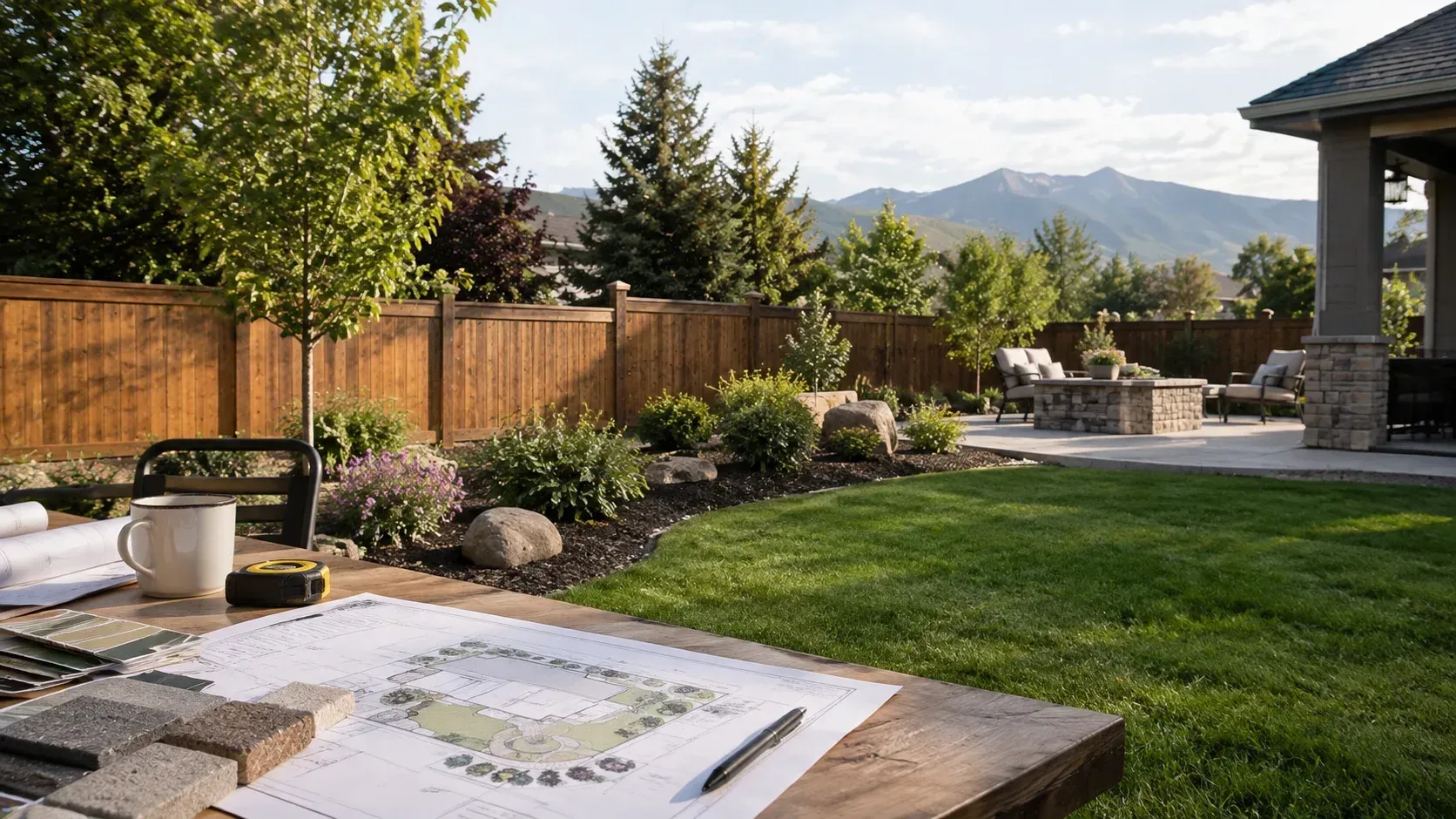
How plants are arranged affects maintenance as much as which plants you choose. Thoughtful spacing and grouping, often part of a considered landscape design, prevents overcrowding and keeps the planting manageable as it matures. Pairing beds with low-maintenance edging or hardscaping features can further reduce the area that needs routine care.
Common Misunderstandings
Common belief: Low-maintenance means no maintenance. What is actually true: These plants need less care, but all plantings require some attention, especially while establishing. Why it matters: Expecting zero upkeep leads to neglect, which can undo an otherwise sound plan.
Common belief: Native plants are untidy or less attractive. What is actually true: Many native and adapted plants are both ornamental and well-suited to the climate, offering color and texture with less effort. Why it matters: Dismissing natives overlooks some of the lowest-maintenance options available.
Common belief: Any drought-tolerant plant will thrive here. What is actually true: Drought tolerance matters, but the plant also has to survive the valley's cold winters. Why it matters: A plant that handles drought but not cold will not last, defeating the low-maintenance goal.
What Typical Online Advice Overlooks
General plant lists are easy to find, but a few practical points get less attention and make a real difference locally.
Local sourcing beats generic lists
A plant that is "low-maintenance" in one region may be a poor fit in another. Buying from local nurseries and asking which varieties perform well in the Bitterroot Valley gives you better results than a one-size-fits-all list from the internet.
The first two years set the tone
Most of the maintenance in a "low-maintenance" planting happens early, during establishment. Advice that skips this stage leaves homeowners surprised by the initial watering and weeding. Planning for that early effort is what makes the later ease possible.
Design reduces maintenance as much as plant choice
How a planting is laid out, spaced, and combined with mulch and hardscape affects upkeep as much as the species chosen. If you want help matching plants and layout to your specific site, it is reasonable to describe your goals and get in touch with a local team who knows the regional conditions.
Conclusion
The best low-maintenance landscaping plants for the Bitterroot Valley are hardy, drought-tolerant species matched to the region's cold winters, dry summers, and local soils, with natives and adapted perennials, grasses, shrubs, and ground covers leading the way. What makes a plant low-maintenance is fit, choosing species that thrive in local conditions without constant intervention.
Just as important is how you establish and arrange those plants. Good soil preparation, careful watering through the first seasons, mulching, and a thoughtful layout all reduce the ongoing work. With the right choices and a solid start, a Bitterroot Valley landscape can stay healthy and attractive while asking much less of you over time.
Planning a Low-Maintenance Landscape in Hamilton, MT?
If you are considering a low-maintenance planting for your property in the Hamilton, MT area, a simple conversation about your site, soil, and goals is a good starting point. A local team familiar with Bitterroot Valley conditions can help you choose plants and a layout suited to your yard, with no pressure and no obligation to decide before you are ready.
Frequently Asked Questions
What makes a plant low-maintenance in the Bitterroot Valley?
A plant is low-maintenance when it is suited to the local climate, meaning it tolerates cold winters and dry summers without constant watering, feeding, or replacement once established. Native and adapted species usually fit this description best.
Are native plants really lower-maintenance than other plants?
Generally, yes. Native plants evolved with the region's climate and soils, so they often need less water and fewer inputs than non-adapted ornamentals. They also tend to be more resilient through local seasonal extremes.
Do low-maintenance plants still need watering?
Yes, especially in their first one to two seasons while roots establish. After that, drought-tolerant plants can usually handle dry spells with little supplemental water, though occasional deep watering in extreme heat still helps.
How can I reduce landscaping maintenance besides plant choice?
Prepare the soil well, mulch to suppress weeds and retain moisture, group plants by water needs, and plan a layout that avoids overcrowding. Combining plantings with hardscape or edging also reduces the area needing routine care.
How do I know which plants survive local winters?
Check your USDA hardiness zone and choose plants rated for it, then confirm with a local nursery. Local sourcing is valuable because nearby growers know which specific varieties perform reliably in the Bitterroot Valley.
Recent Posts