What's the Difference Between Landscaping and Hardscaping?
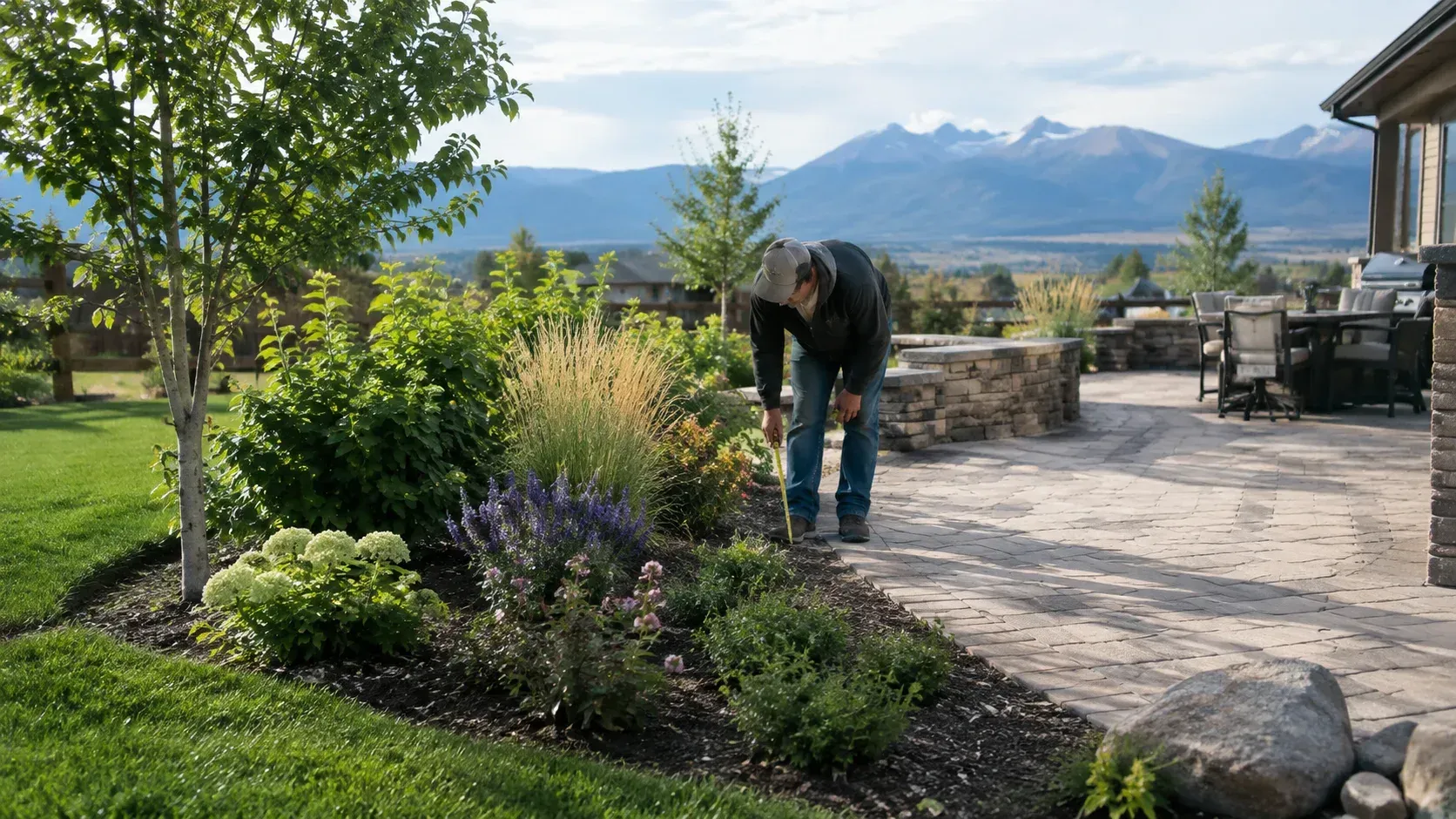
Table of Contents
- Introduction
- The Core Difference in Plain Terms
- What Landscaping Involves
- What Hardscaping Involves
- Side-by-Side Comparison
- How Landscaping and Hardscaping Work Together
- Which One Does Your Project Need?
- Common Misunderstandings
- What Typical Online Advice Overlooks
- Conclusion
- Frequently Asked Questions
Key Takeaways
- Landscaping covers the living, plant-based elements of a yard, while hardscaping covers the built, non-living structures like patios and walls.
- Softscape and hardscape are often planned together, since drainage, grading, and layout affect both.
- Most complete outdoor projects use a combination of the two, not just one or the other.
- Hardscape tends to be a larger upfront investment, while landscaping often involves ongoing care.
- Knowing the difference helps you request the right service and understand what a quote actually covers.
Introduction
The difference between landscaping and hardscaping is that landscaping refers to the living, plant-based elements of a yard, such as lawns, trees, and flower beds, while hardscaping refers to the built, non-living structures, such as patios, walkways, and retaining walls. Landscaping is about what grows; hardscaping is about what gets constructed. If you are planning outdoor work in the Bitterroot Valley, understanding this distinction helps you compare landscaping services and hardscape work accurately instead of treating them as one interchangeable category.
This matters because the two terms get mixed up often, and a quote or conversation can go sideways if you and a contractor mean different things by "landscaping." Knowing what each term actually covers lets you describe your project clearly and understand exactly what you are paying for.
The Core Difference in Plain Terms
Direct answer: Landscaping involves the living parts of an outdoor space, like plants, lawns, and soil, while hardscaping involves the built, structural parts, like stone, concrete, and wood features. One grows and changes with the seasons; the other stays fixed once installed.
A simple way to remember it is "soft" versus "hard." Landscaping is often called softscape because it deals with living, flexible materials. Hardscaping deals with rigid, manufactured materials that do not grow or die back.
Why the distinction exists at all
The two require different skills and processes. Softscape work involves soil science, plant selection, and horticultural care. Hardscape work involves grading, excavation, structural base preparation, and masonry or carpentry techniques. A company may offer both, but they draw on different expertise.
It is not an either-or choice
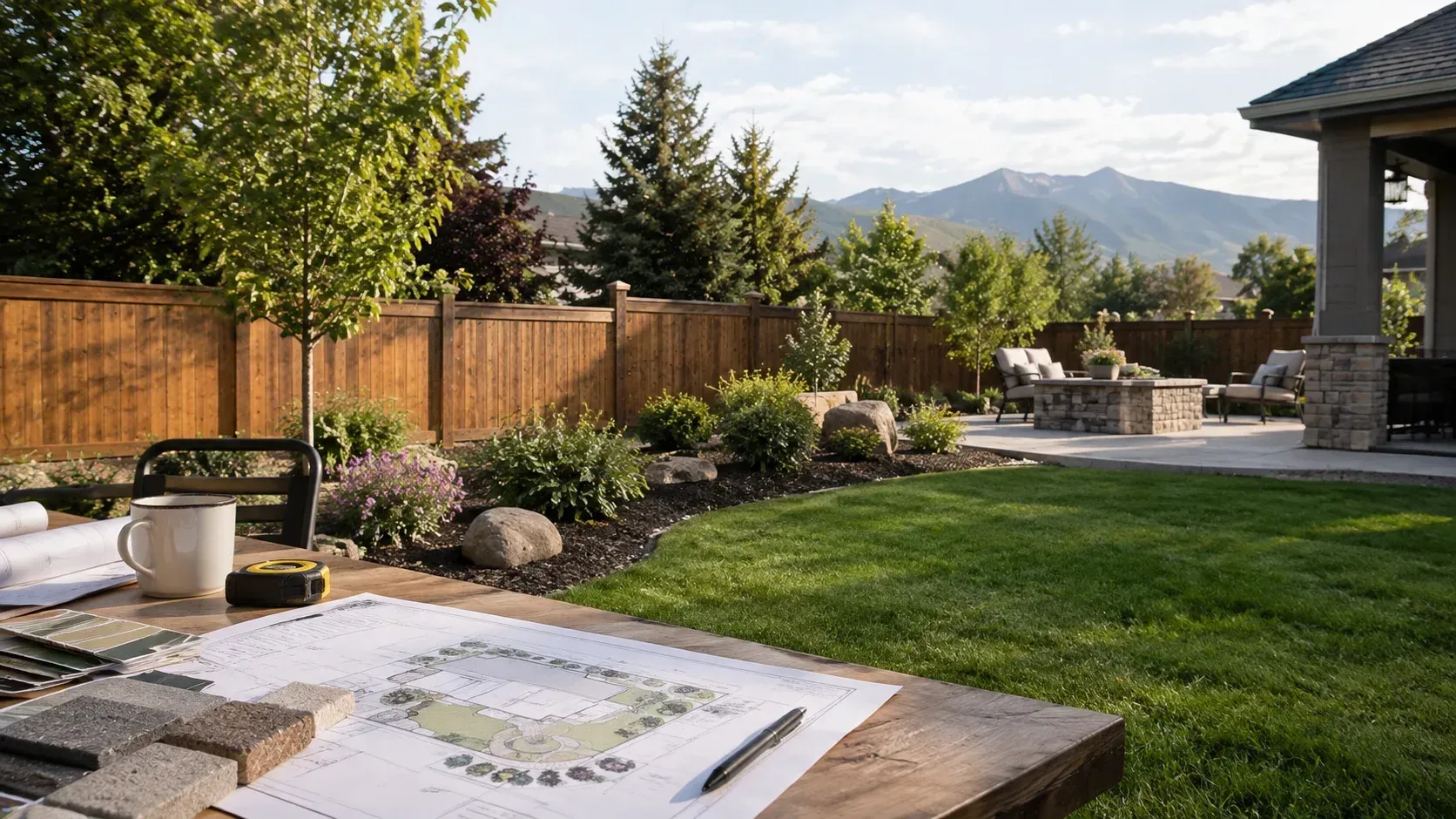
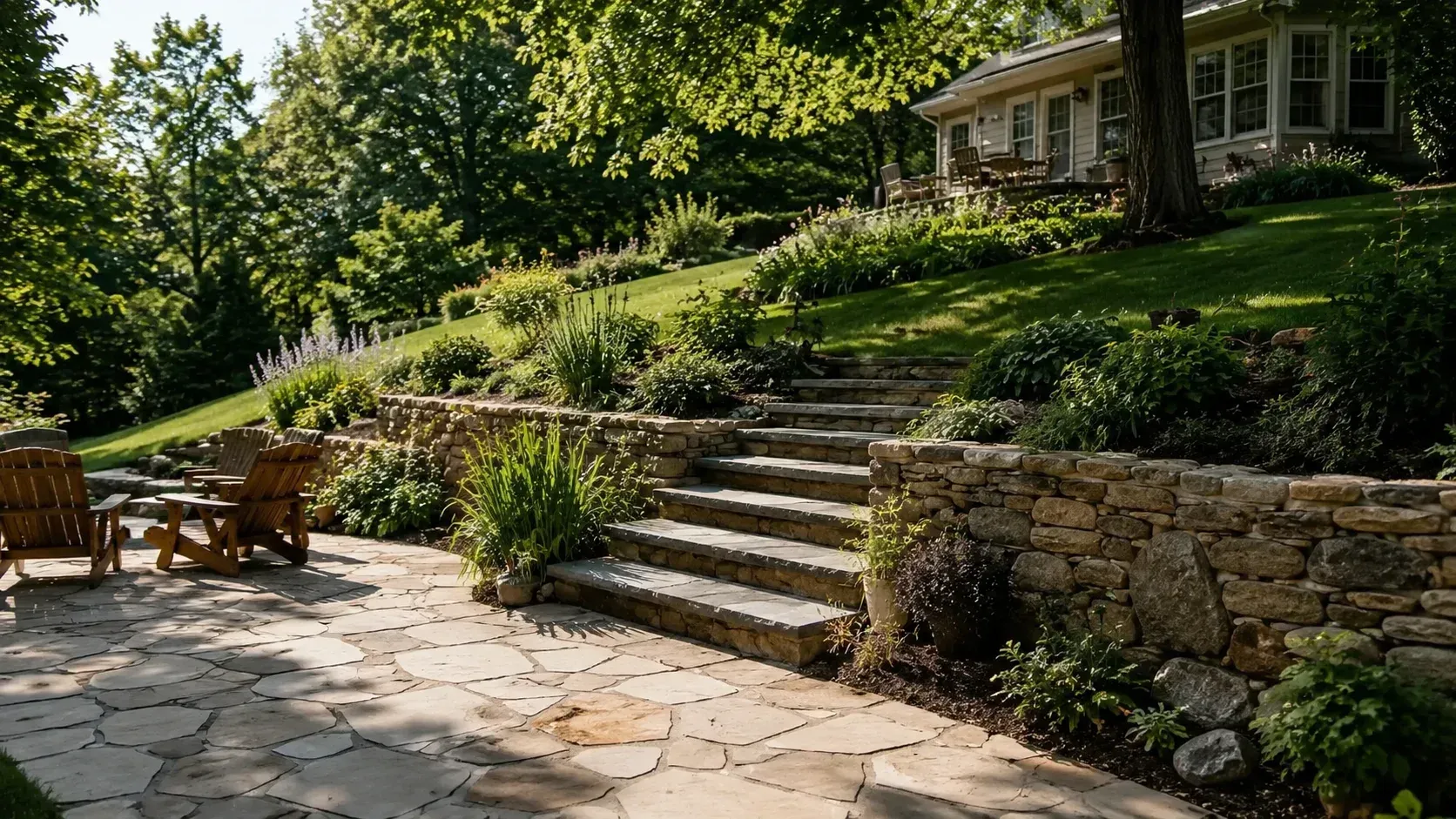
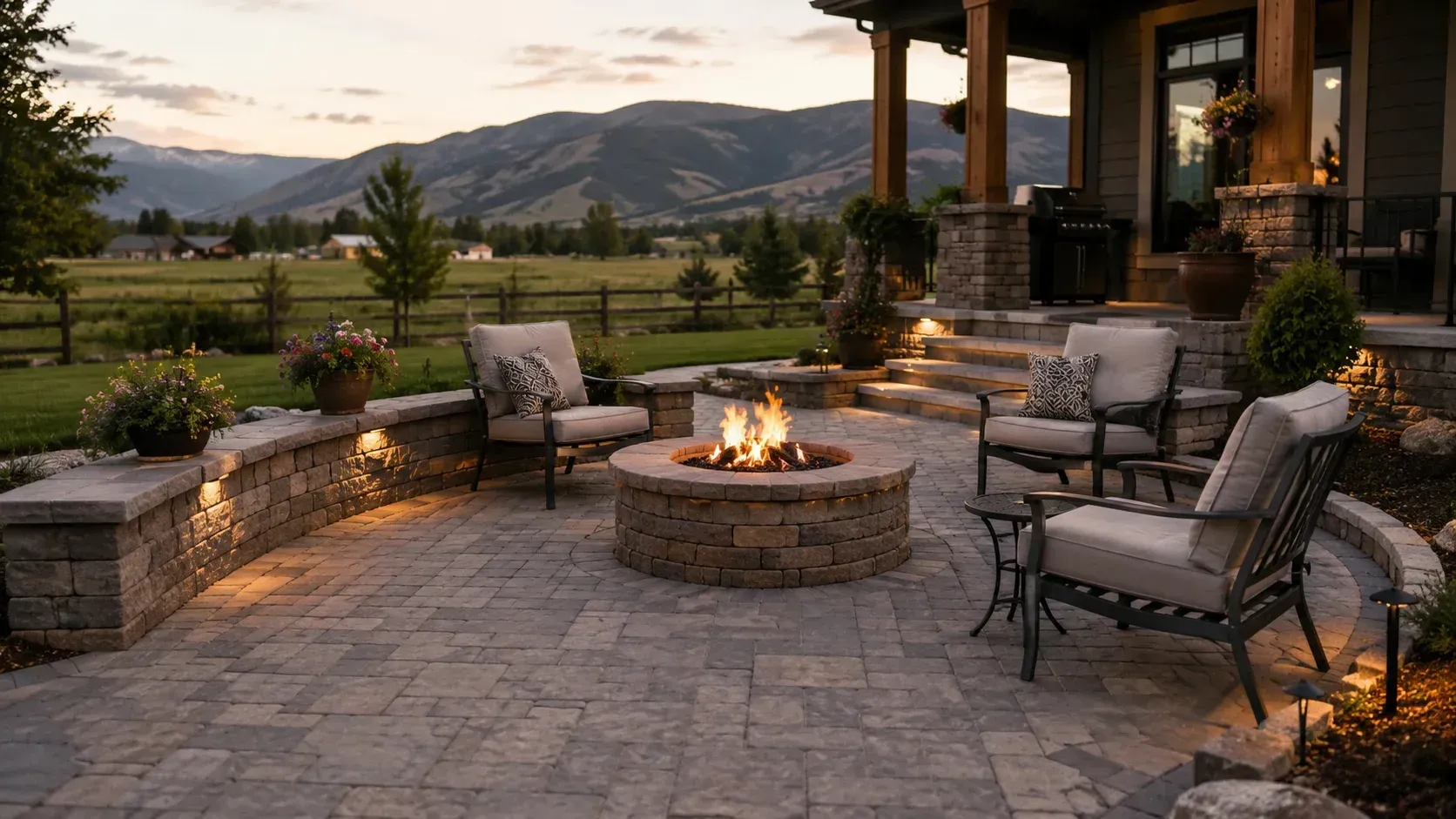
Most finished yards include both. A patio surrounded by plantings uses hardscape for the surface and landscaping for what grows around it. The terms describe categories of work, not competing options you choose between.
What Landscaping Involves
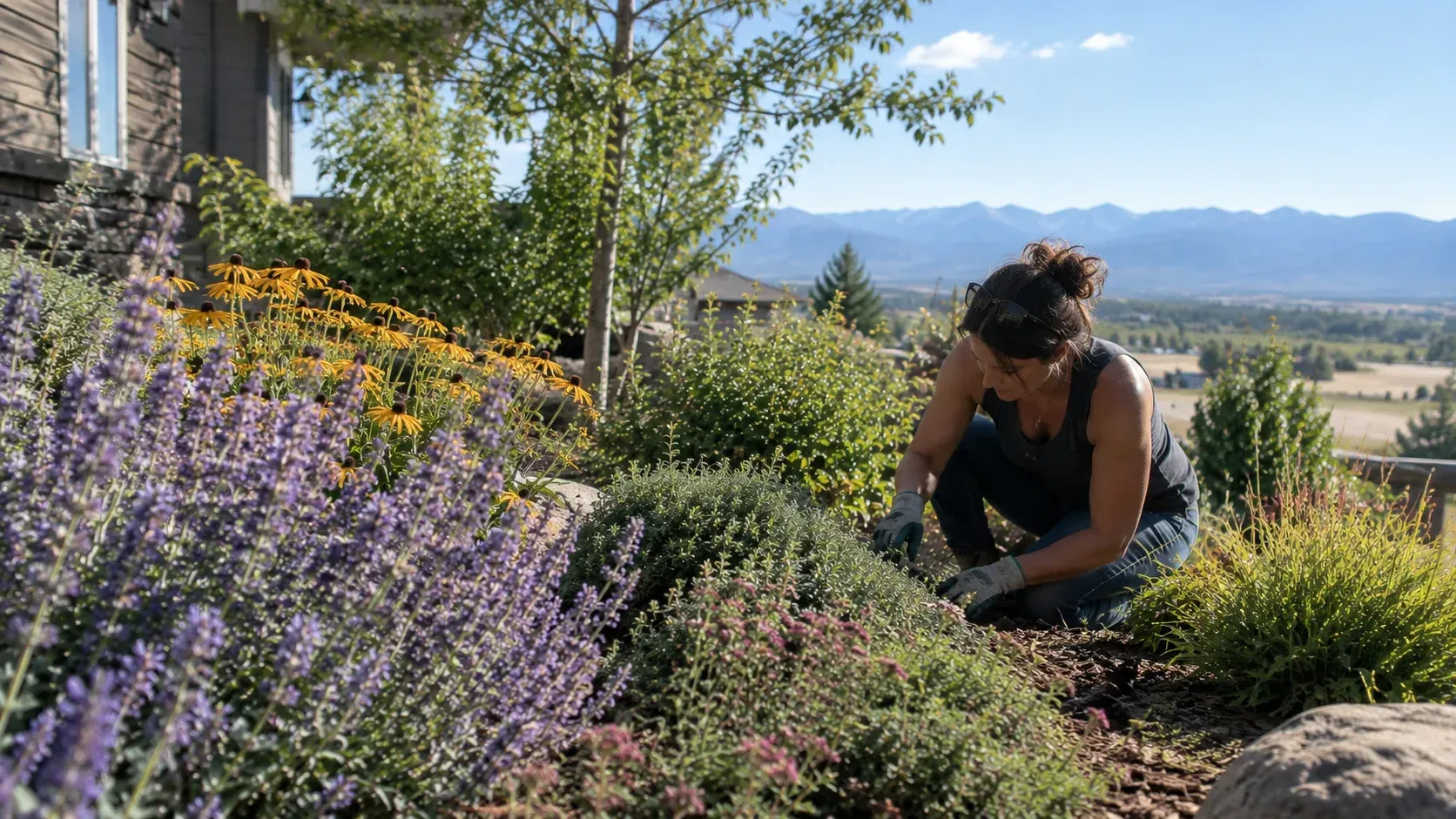
Landscaping, often called softscape, covers everything in a yard that is alive or directly supports plant life. It is the organic, changing side of an outdoor space.
Common elements
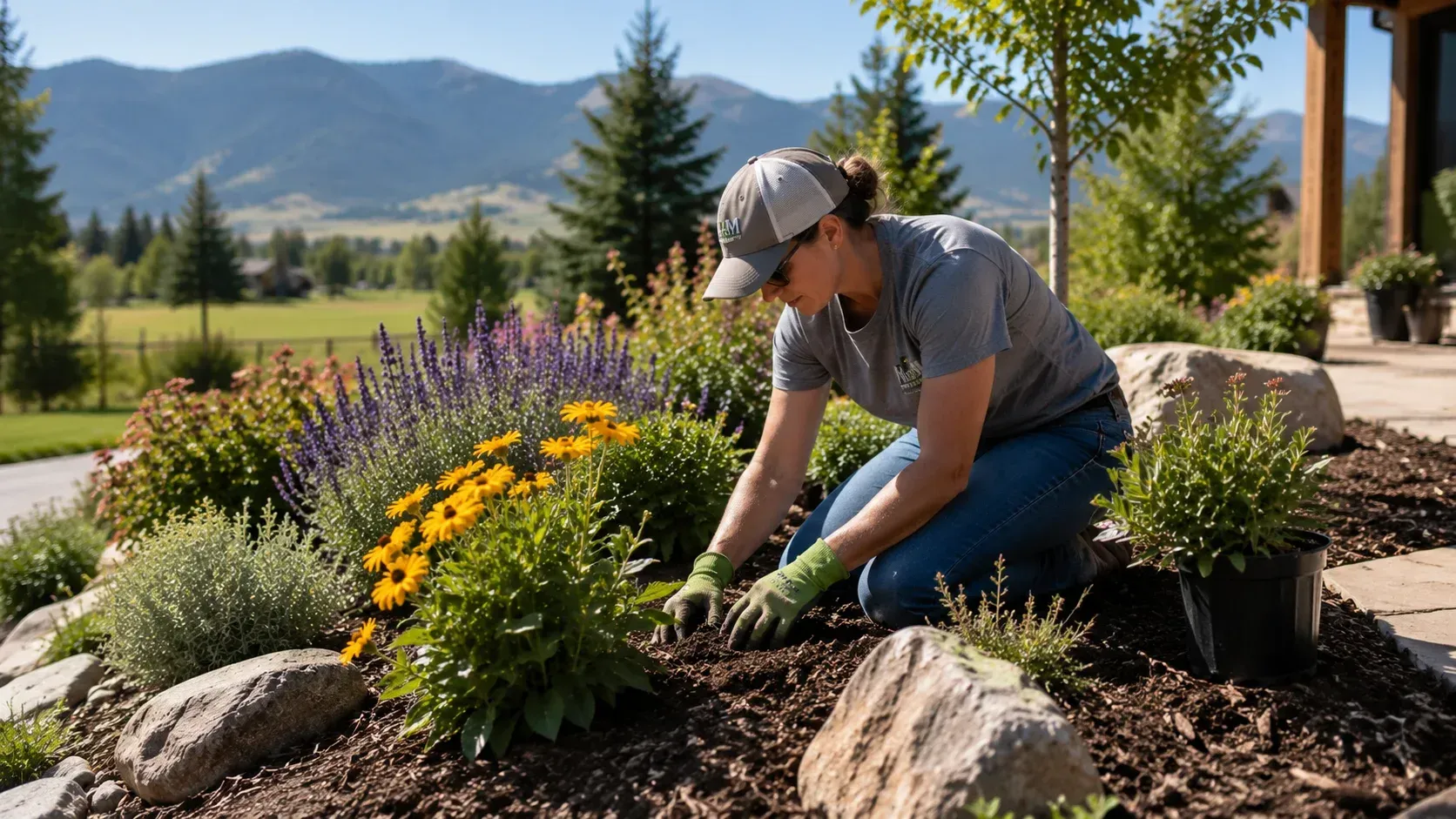
Typical landscaping elements include lawns, trees, shrubs, flower beds, ground covers, and mulch. Soil preparation and amendment also fall under this category, since healthy soil is what allows everything else to thrive.
Installation versus maintenance
Landscaping includes both the initial planting and the ongoing care that follows. Mowing, pruning, fertilizing, weed control, and seasonal cleanup are all part of landscaping, not a separate category. This ongoing component is part of why landscaping often becomes a recurring relationship rather than a one-time project.
Climate considerations
In the Hamilton, MT area, landscaping choices need to account for cold winters and dry summers. Plant selection suited to local hardiness zones reduces how much ongoing care a planting needs, which ties directly into how practical and low-maintenance the result will be.
What Hardscaping Involves
Hardscaping covers the structural, non-living elements built into an outdoor space. It is what gives a yard its layout, access, and usable surfaces.
Common elements
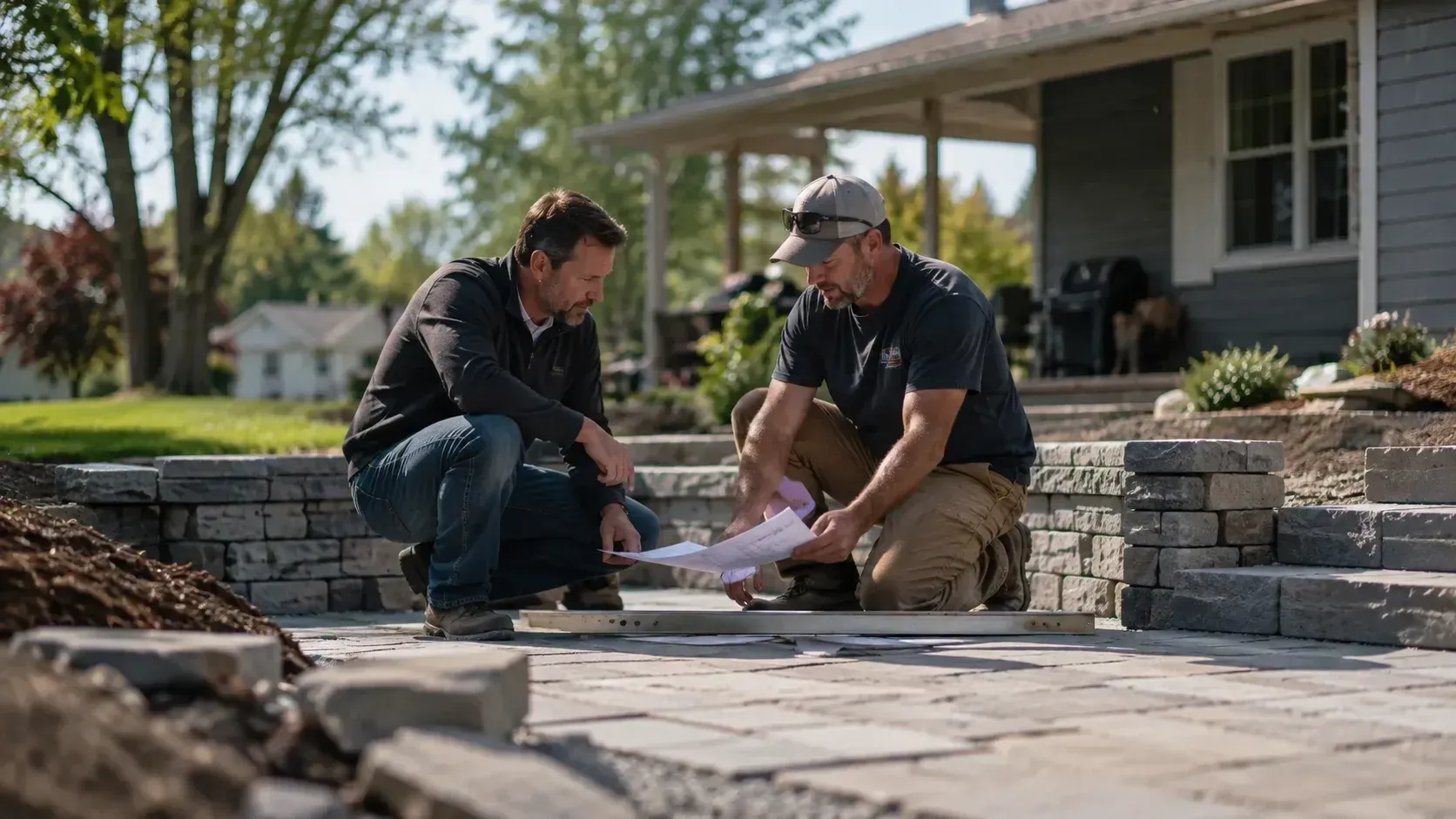
Typical hardscape features include patios, walkways, driveways, retaining walls, steps, and outdoor living structures like fire pits or seating walls. These are built from materials such as pavers, natural stone, concrete, brick, or wood.
Why the hidden work matters
Quality hardscaping services depend heavily on work that is not visible once the project is finished. Base preparation, compaction, and drainage determine whether a patio or wall holds up for decades or develops problems within a few years, especially in a climate with regular freeze and thaw cycles.
Durability and permanence
Because hardscape materials do not grow or heal themselves, mistakes made during installation tend to be permanent or expensive to fix. This makes the installation process itself, not just the finished look, one of the most important things to evaluate when planning hardships.
Side-by-Side Comparison
Placing the two side by side clarifies how they differ in practice.
| Aspect | Landscaping (Softscape) | Hardscaping |
|---|---|---|
| Nature of materials | Living, organic | Built, non-living |
| Examples | Lawns, trees, shrubs, flower beds | Patios, walkways, retaining walls |
| Changes over time | Grows, seasonal, needs ongoing care | Stays largely fixed once installed |
| Main skill set | Horticulture, soil, plant care | Grading, masonry, construction |
| Typical cost pattern | Lower upfront, ongoing maintenance costs | Higher upfront, lower ongoing cost |
| Climate sensitivity | Affects plant selection and survival | Affects base, drainage, and durability |
The table shows that the two are not competing categories but complementary ones, each with its own materials, skills, and long-term considerations.
How Landscaping and Hardscaping Work Together
In practice, well-planned outdoor spaces blend softscape and hardscape rather than relying on just one. The two influence each other more than it might first appear.
Shared drainage and grading
Water does not distinguish between a planting bed and a patio. Grading and drainage need to account for both together, since poor hardscape drainage can flood a planting bed, and poorly graded soil can undermine a patio's base. This is why a coordinated landscape design plan often considers both from the start.
Visual and functional balance
A yard that is all hardscape can feel stark, while one that is all plantings may lack usable space for gathering or walking. Combining the two creates both greenery and function, which is usually the goal for a finished residential landscape.
Sequencing matters
When a project includes both, hardscape is generally installed first, since excavation and construction can disturb surrounding soil. Planting typically follows once the structural work is complete, protecting new plants from being damaged during construction.
Which One Does Your Project Need?
Not every project needs both. Matching the work to your actual goal avoids paying for something you do not need.
If you want more greenery or curb appeal
Projects focused on lawns, gardens, or seasonal color fall under landscaping. This is also where ongoing maintenance requests belong.
If you want usable outdoor living space
Patios, walkways, fire pits, and retaining walls fall under hardscaping. These projects are about creating structure and function rather than growth.
If you are planning a full transformation
Larger projects, such as redesigning a backyard, usually involve both. In this case, thinking through layout and drainage together from the start prevents one phase from working against the other.
If you are unsure which category your project falls into, it is reasonable to describe what you have in mind and talk to a local team about whether it calls for landscaping, hardscaping, or a mix of both.
Common Misunderstandings
Common belief: Landscaping and hardscaping are the same service. What is actually true: They cover different categories of work, living plants versus built structures, even though many companies offer both. Why it matters: Treating them as identical can lead to requesting the wrong service or misunderstanding what a quote includes.
Common belief: Hardscaping is just the "extra" or decorative part of a yard. What is actually true: Hardscape often provides essential functions, such as drainage control, access, and usable space, not just decoration. Why it matters: Underestimating hardscape's role can lead to skipping structural planning that affects the whole property.
Common belief: Once a hardscape is installed, it needs no attention. What is actually true: Hardscape still benefits from occasional sealing, joint maintenance, and monitoring for drainage issues, especially through freeze and thaw cycles. Why it matters: Assuming zero maintenance can let small issues, like a cracked joint, develop into larger repairs.
What Typical Online Advice Overlooks
Generic explanations tend to define the two terms and move on. A few practical points deserve more attention.
Cost sequencing is rarely explained clearly
Hardscape usually represents a larger share of a combined project's upfront cost, while landscaping tends to involve smaller upfront costs but ongoing maintenance spending. Budgeting for both patterns, not just the initial quote, gives a more realistic financial picture.
Permitting can apply to hardscape, not landscaping
Depending on the scope, certain hardscape structures, like tall retaining walls, may involve permitting or local building requirements that typical planting projects do not. This is worth asking about early, since it can affect timeline and design.
The relationship outlasts the project
Because landscaping often continues as ongoing maintenance, the provider you choose becomes a long-term relationship, not just a one-time contractor. Communication and reliability matter as much for this category as technical skill does for hardships.
Conclusion
Landscaping and hardscaping describe two different categories of outdoor work. Landscaping covers the living, plant-based elements of a yard, while hardscaping covers the built, structural elements like patios and walls. One grows and needs ongoing care; the other stays fixed and depends on quality installation to last.
Most complete outdoor projects use both, planned together so drainage, layout, and function work as a whole rather than in conflict. Understanding which category your project falls into, or whether it needs a blend of both, helps you communicate clearly with a contractor and set realistic expectations for cost, maintenance, and timeline.
Planning a Project in Hamilton, MT?
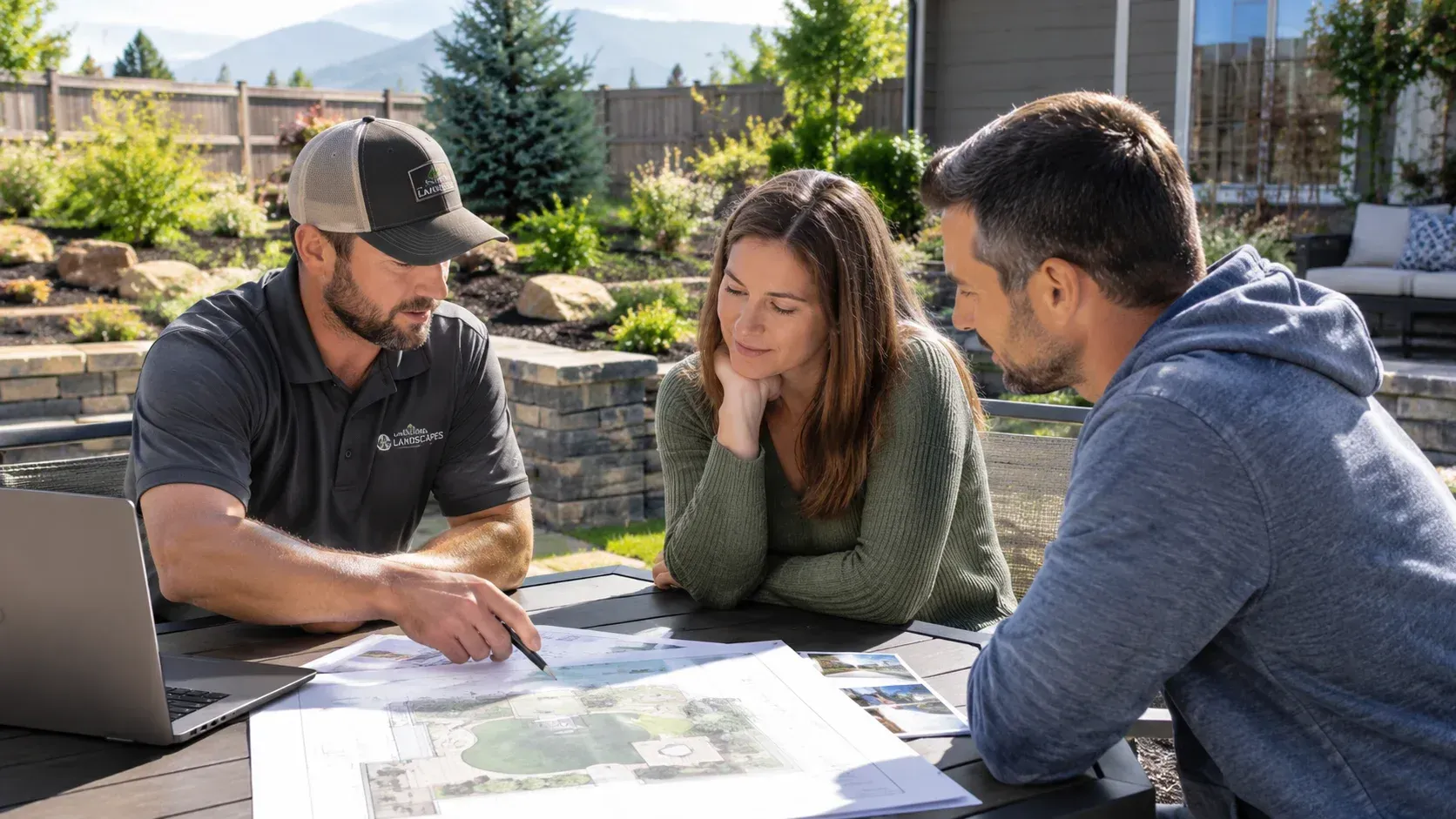
If you are weighing landscaping or hardscaping work for your property in the Hamilton, MT area, a simple conversation about your goals and your site is a useful starting point. A local team familiar with Bitterroot Valley conditions can help you understand which category your project fits, or whether it needs both, with no pressure and no obligation to decide right away.
Frequently Asked Questions
Is hardscaping part of landscaping?
Hardscaping is sometimes used as a broad term alongside landscaping, but technically they describe different categories: landscaping covers living plants, while hardscaping covers built structures. Many providers offer both under one umbrella of services.
Which is more expensive, landscaping or hardscaping?
Hardscaping often has a higher upfront cost due to materials and labor-intensive construction, while landscaping tends to involve lower upfront costs but recurring maintenance expenses. Total cost depends heavily on project size and materials chosen.
Can I do landscaping without hardscaping, or the reverse?
Yes. Many projects focus on just one category, such as planting new garden beds without any structural work, or installing a patio without changing the plantings. Full-yard transformations typically use both.
Does hardscaping need any maintenance?
Yes, though less than landscaping. Hardscape benefits from occasional sealing, joint sand replacement, and monitoring for drainage issues, particularly in climates with freeze and thaw cycles like the Bitterroot Valley.
Why do hardscaping and landscaping need to be planned together?
Water, grading, and layout affect both categories at once. Poor drainage planning in one area can undermine the other, so coordinating hardscape and planting decisions from the start helps the whole property function well.
Recent Posts